議事學與「羯磨法」──如何表決?

有時會被朋友問到:「一般人對開會大多是又愛又恨的感受,看你似乎可以樂在其中,這是為什麼?」此外,由於各種職務的關係,經常須主持會議,所以常被朋友戲稱「靠主持會議吃飯」,連《人生》雜誌邀稿時,也說:「聽說你對開會很有心得,替我們寫篇這方面的文章吧!」常遇到這類詢問或請求,有時不由得我也開始思考這個「怪現象」。

古今開會的學問

回想我最先接觸到會議這門學問的機會,和大家一樣,是中小學的公民或社會

等課程。當時,也只是為應付考試,迷迷糊糊的只記得一些皮毛。真正開始自我充實「議事學」(Parliamentary)的時機,是1994年擔任國立藝術學院(現在改名為:國立台北藝術大學)學生事務長的因緣。由於職務的需要,經常要面臨參加或主持各種會議之挑戰,與其逃避,不如面對,於是購書研究,參加講習,臨場觀摩,從邊作邊學等過程,逐漸摸出竅門與興趣,品嚐民主法治的苦樂。有時也會將議事學與佛教僧團處理僧務時的「羯磨法」互相參考,比較古今民主程序的同異。

例如:受戒法「一白三羯磨」相當於議事學之「提案說一次,無異議聲明表決文三次」的程序。佛教之羯磨法一般必須取得全體的認同(誰諸長老忍……者默然,誰不忍者說),也就是「全體無異議通過」的共識,適合沒有爭議或者已經事先協調過的提案。現代議事學一般以獲得出席並參加表決(有效票)數之過半數為可決;若遇有大問題,則應視情況提高可決數為出席並參加表決者之三分之二、四分之三或五分之四。

以「黑白籌」投票

僧團若發生諍議不止的情形,則用「七滅諍法」作為裁斷原則。其中,第六種

「多人覓罪相毘尼」是以集合具備的僧眾,依多數而決是非的方式。此時,僧團可採用「行黑白籌」方法以計算多數。所謂「籌」是指以竹、木、銅、鐵、牙、角、骨等作成之籤棒,約有一肘長,粗如小指。僧團布薩誦戒時,用以計算參加集會僧眾之人數,或於表決僧團重大議題時用,正反方各取不同顏色的籤棒(行黑白籌)表示不同的立場。

在僧團史上,比較有名「行籌」的事件,一者是提婆達多「分裂破壞僧團」事件。佛陀的弟子提婆達多意圖建立新的僧團,另外制定五種不同的生活規範,利用有利時機「行籌」,並且當時有五百位新進比丘取贊成籌,長老阿難提出以僧衣露單肩的方式表示反對,有六十長老比丘露單肩表示反對。於是,提婆達多得到別立僧團的「多數決」,也造成僧團一時的分裂。

此外,在阿育王時代,有人將原有的戒律加以新的詮釋,形成不同戒律傳承的諍議,各為群黨,互言是非。時有比丘,請求國王判決。國王集合僧團,行黑白籌,宣布:若認可舊律可取黑籌,若認可新律可取白籌。結果:取黑者有萬數,取白者只有百數。但是,國王並沒有依多數而決是非,卻認為新舊戒律皆為佛說,應尊重不同的意見,各別獨立生活即可,於是允許不同部派戒律共存。

此種「行籌」的投票方法,也用於古印度處理的重大國事議題時。例如:琉璃王率大軍攻打釋迦族(釋迦牟尼佛的祖國),族人有的主張開城門避免戰爭,有的主張以死固守,紛紜不定,便共「行籌」,少數服從多數。七次取籌投票結果,贊成開門的籌多,所以開門讓琉璃王的軍隊進城,釋迦族大都被殺害。這似乎很像現代民主國家之「公民投票」,雖然釋迦族是亡國的結局,但是卻經過民主程序的決定,應該有其價值與意義。

〔原發表於《人生》雜誌242期。2003年10月〕
議事法與「禪觀」──主席與正念

我個人則常將議事學與禪定學互相參考,比較心外、心內議決程序的同異,我也曾美其名為「會議禪定學」。例如:會議的成敗與主席是否稱職有相當的關係。我們也可以從這裡,看出其是否具備領導人的條件與是何種領導風格。同樣地,

禪觀修行的成敗與是否能「正念、正知」也是有相當的關係。

主席態度要「無我」

首先,會議主席應居於公正超然之地位,嚴格執行會議規則,維持會議和諧,

達成決議,解決問題,以收群策群力之效。禪觀修行之「正念、正知」的作用猶如會議主席,也應把握「無我」,以公正超然態度,執行內心的緣起法則,避免昏沉、散亂,智慧決擇,解決煩惱,以收自覺覺他之效。

從會議三部曲「動議、討論、表決」與「禪觀」修行原則比較。動議亦稱為提案,即出席人適時的提出一個問題或意見,請求會眾接受,經附議成立,予以討論或採納。「禪觀」修行時,我們可善用此原則過濾一些不被接受(沒有附議)的妄念。若會眾有人認為值得討論,則可附議,使動議成立,進入正反意見之討論階段。「動議」(討論的議題)之成立猶如禪觀「所緣」(禪定的對象)之確立。

專注議題、正念正知

「一時不議二事」(One time one business)的討論原則與禪定之「專注一趣」(安住於所緣)的訓練目標一致。會議主席隨時注意會眾發言是否離題,若偏離討論主題,應立即提醒,導回議題。禪觀修行之「正念、正知」的作用如駕馭野象的「繩索」與「鐵」。一方面令心念安住(綁住)於所緣,一方面注意是否忘失正念,立即知道(正知),回正題。

此外,「論事不論人」(Measures not men should be discussed by assemblies)的討論原則與正觀「有業報(事)而無作者(人)」(法有我無)的體悟類似。會議主席隨時注意會眾發言是否有涉及人身攻擊,避免偏離議題,於事無補,無法解決問題,反而製造問題。

接納「正反」意見的開會氣氛

最後,在討論時,會議主席應引導會場產生能接納各種「正反」(pro and con)

意見的氣氛,容許雙方正反辯論,使會眾充分瞭解各種主張與方案的利弊得失,以便決擇與判斷。表決時,主席也應「兩面具呈」,即分別詢問贊成與反對兩方面之數額,再由主席宣布結果為可決或否決。此種過程與佛教所說:修行者應「知味、知患、知離」相似。例如《中阿含經》:「云何比丘正觀耶?比丘者,知六更觸。知習、知滅、知味、知患、知出要。以慧知如真,是謂比丘正觀也。」此說明我們對人生欲樂的享受,有三方面必須了了分明:(1)欲樂的對象與欲樂的享受。(2)欲樂的代價、過患與惡果。(3)從欲樂得解脫。如此,才能全面性的觀察人生的實相,作出智慧的抉擇。

〔原發表於《人生》雜誌243期。2003年11月〕

1.5 四界分別觀(Dhātumanasikāra 界作意; 5. Elements)

復次,諸比丘!比丘於任何姿勢中,以各種界思惟觀察此身,即:此身有地界、水界、火界、風界。

諸比丘!猶如熟練之屠牛者,或屠牛者之弟子,屠宰牛隻,並將其肢解成塊後,坐於四衢道口。

如是,諸比丘!比丘於任何姿勢中,以各種界思惟觀察此身,即:此身有地界、水界、火界、風界。

12. “Again, bhikkhus, a bhikkhu reviews this same body, however it is placed, however disposed, as consisting of elements thus: ‘In this body there are the earth element, the water element, the fire element, and the air element.’  [58] Just as though a skilled butcher or his apprentice had killed a cow and was seated at the crossroads with it cut up into pieces; so too, a bhikkhu reviews this same body … as consisting of elements thus: ‘In this body there are the earth element, the water element, the fire element, and the air element.’

如是,比丘安住於身,觀照內身;安住於身,觀照外身;安住於身,觀照內外身。安住於身,隨觀生法;安住於身,隨觀滅法;安住於身,隨觀生滅法。

於是「有身」之念現起,唯有正念與覺照,無所依而住,不再貪著世間之任何事物。

諸比丘!此即比丘安住於身,循身觀察。

13. “In this way he abides contemplating the body as a body internally, externally, and both internally and externally … And he abides independent, not clinging to anything in the world. That too is how a bhikkhu abides contemplating the body as a body.

1.4 不淨觀(Patikūlamanasikāra 厭惡作意; 4. Foulness – The Bodily Parts)

復次,諸比丘!比丘思惟此身,自足底而上、由頭髮而下,皮所覆包,遍滿不淨,思惟:於此身有髮、毛、爪、齒、皮、肉、筋、骨、髓、腎、心、肝、肋膜、脾、肺、腸、腸間膜、胃中物、糞、膽汁、痰、膿、血、汗、脂肪、淚、皮脂、唾、涕、關節液、尿。

諸比丘!猶如兩端開口之糧袋,裝入種種穀物,諸如:稻、米、綠豆、豌豆、芝麻、精米。視力佳者, 解開糧袋,觀察分辨:此是稻、此是米、此是綠豆、此是豌豆、此是芝麻、此是精米。

如此,諸比丘!比丘思惟此身,自足底而上、由頭髮而下,皮所覆包,遍滿不淨,思惟:於此身有髮、毛、爪、齒、皮、肉、筋、骨、髓、腎、心、肝、肋膜、脾、肺、腸、腸間膜、胃中物、糞、膽汁、痰、 膿、血、汗、脂肪、淚、皮脂、唾、涕、關節液、尿。

10. “Again, bhikkhus, a bhikkhu reviews this same body up from the soles of the feet and down from the top of the hair, bounded by skin, as full of many kinds of impurity thus: ‘In this body there are head-hairs, body-hairs, nails, teeth, skin, flesh, sinews, bones, bone-marrow, kidneys, heart, liver, diaphragm, spleen, lungs, large intestines, small intestines, contents of the stomach, feces, bile, phlegm, pus, blood, sweat, fat, tears, grease, spittle, snot, oil of the joints, and urine.’

Just as though there were a bag with an opening at both ends full of many sorts of grain, such as hill rice, red rice, beans, peas, millet, and white rice, and a man with good eyes were to open it and review it thus:

‘This is hill rice, this is red rice, these are beans, these are peas, this is millet, this is white rice’; so too, a bhikkhu reviews this same body … as full of many kinds of impurity thus: ‘In this body there are head-hairs … and urine.’

如是,比丘安住於身,觀照內身;安住於身,觀照外身;安住於身,觀照內外身。安住於身,隨觀生法;安住於身,隨觀滅法;安住於身,隨觀生滅法。

於是「有身」之念現起,唯有正念與覺照,無所依而住,不再貪著世間之任何事物。

諸比丘!此即比丘安住於身,循身觀察。

11. “In this way he abides contemplating the body as a body internally, externally, and both internally and externally … And he abides independent, not clinging to anything in the world. That too is how a bhikkhu abides contemplating the body as a body.

1.3 正知(Sampajāna 明覺; 3. Full Awareness)

8. “Again, bhikkhus, a bhikkhu is one who acts in full awareness when going forward and returning;

who acts in full awareness when looking ahead and looking away;

who acts in full awareness when flexing and extending his limbs;

who acts in full awareness when wearing his robes and carrying his outer robe and bowl; who acts in full awareness when eating, drinking, consuming food, and tasting;

who acts in full awareness when defecating and urinating;

who acts in full awareness when walking, standing, sitting, falling asleep, waking up, talking, and keeping silent.

如是,比丘安住於身,觀照內身;安住於身,觀照外身;安住於身,觀照內外身。

安住於身,隨觀生法;安住於身,隨觀滅法;安住於身,隨觀生滅法。

於是「有身」之念現起,唯有正念與覺照,無所依而住,不再貪著世間之任何事物。

諸比丘!此即比丘安住於身,循身觀察。

9. “In this way he abides contemplating the body as a body internally, externally, and both internally and externally … And he abides independent, not clinging to anything in the world. That too is how a bhikkhu abides contemplating the body as a body.

1.2 威儀(Iriyāpatha 觀姿勢; 2. The Four Postures)

復次,諸比丘!比丘行走時,了知:我行走;站立時,了知:我站立;

坐著時,了知:我坐著;躺臥時,了知:我躺臥。無論何種姿勢,皆如實了知。

6. “Again, bhikkhus, when walking, a bhikkhu understands: ‘I am walking’;

when standing, he understands: ‘I am standing’;

when sitting, [57] he understands: ‘I am sitting’;

when lying down, he understands: ‘I am lying down’;

or he understands accordingly however his body is disposed.

如是,比丘安住於身,觀照內身;安住於身,觀照外身;安住於身,觀照內外身。

安住於身,隨觀生法;安住於身,隨觀滅法;安住於身,隨觀生滅法。

於是「有身」之念現起,唯有正念與覺照,無所依而住,不再貪著世間之任何事物。

諸比丘!此即比丘安住於身,循身觀察。

7. “In this way he abides contemplating the body as a body internally, externally, and both internally and externally … And he abides independent, not clinging to anything in the world.

That too is how a bhikkhu abides contemplating the body as a body.

1 身念處(kāyānupassanā 身隨觀念處)1.1安般念(ānāpānasati 出入息念、觀息法)

1.1 安般念(ānāpānasati 出入息念、觀息法)

諸比丘!比丘如何安住於身,循身觀察?

於此,諸比丘!比丘前往森林、樹下或空閒處,結跏趺坐,端正身體,置念面前,正念而出息,正念而入息。

出息長時,了知:我出息長;入息長時,了知:我入息長。

出息短時,了知:我出息短;入息短時,了知:我入息短。

修習:我當覺知(息之)全身而出息;修習:我當覺知(息之)全身而入息。

修習:我當寂靜身行而出息;修習:我當寂靜身行而入息。

諸比丘!就如熟練的轆轤匠,或轆轤匠之弟子,當拉長時,了知:我拉長;拉短時,了知:我拉短。

諸比丘!比丘如是在出息長時,了知:我出息長;入息長時,了知:我入息長。…………

修習:我當覺知(息之)全身而出息;修習:我當覺知(息之)全身而入息。

修習:我當寂靜身行而出息;修習:我當寂靜身行而入息。

4. “And how, bhikkhus, does a bhikkhu abide contemplating the body as a body?

Here a bhikkhu, gone to the forest or to the root of a tree or to an empty hut, sits down; having folded his legs crosswise, set his body erect, and established mindfulness in front of him, ever mindful he breathes in, mindful he breathes out.

Breathing in long, he understands: ‘I breathe in long’; or breathing out long, he understands: ‘I breathe out long.’

Breathing in short, he understands: ‘I breathe in short’; or breathing out short, he understands: ‘I breathe out short.’

He trains thus: ‘I shall breathe in experiencing the whole body [of breath]’; he trains thus: ‘I shall breathe out experiencing the whole body [of breath].’

He trains thus: ‘I shall breathe in tranquillizing the bodily formation’; he trains thus: ‘I shall breathe out tranquillizing the bodily formation.’

Just as a skilled turner or his apprentice, when making a long turn, understands: ‘I make a long turn’; or, when making a short turn, understands: ‘I make a short turn’;

so too, breathing in long, a bhikkhu understands: ‘I breathe in long’ … he trains thus: ‘I shall breathe out tranquillizing the bodily formation.’

如是,比丘安住於身,觀照內身;安住於身,觀照外身;安住於身,觀照內外身。

安住於身,隨觀生法;安住於身,隨觀滅法;安住於身,隨觀生滅法。

於是「有身」之念現起,唯有正念與覺照,無所依而住,不再貪著世間之任何事物。

諸比丘!此即比丘安住於身,循身觀察。

(INSIGHT)

5. “In this way he abides contemplating the body as a body internally, or he abides contemplating the body as a body externally, or he abides contemplating the body as a body both internally and externally.

Or else he abides contemplating in the body its arising factors, or he abides contemplating in the body its vanishing factors,

or he abides contemplating in the body both its arising and vanishing factors.

Or else mindfulness that ‘there is a body’ is simply established in him to the extent necessary for bare knowledge and mindfulness.

And he abides independent, not clinging to anything in the world.

That is how a bhikkhu abides contemplating the body as a body.

0. 總釋四念處(uddeso)

中譯取材自性空法師《念處之道;《大念處經》講記

英譯取材自菩提比丘(BHIKKHU BODHI) 10. Satipatthana Sutta – The Foundations of Mindfulness

Middle Length Discourses of the Buddha (Wisdom Publications, Boston)

如是我聞,一時,佛在拘樓國劍磨瑟曇城中。

爾時佛呼諸比丘:諸比丘!諸比丘應諾:世尊!

1. THUS HAVE I HEARD. On one occasion the Blessed One was living in the Kuru country at a town of the Kurus named Kammasadhamma.

There he addressed the bhikkhus thus: “Bhikkhus.” – “Venerable sir,” they replied. The Blessed One said this:

世尊如此開示:諸比丘!此是使眾生清淨,超越愁悲,滅除苦憂,成就正道,體證涅槃之唯一道路,此即四念處。

2. “Bhikkhus, this is the direct path for the purification of beings [56], for the surmounting of sorrow and lamentation, for the disappearance of pain and grief, for the attainment of the true way, for the realisation of Nibbana – namely, the four foundations of mindfulness.

四者何耶?於此諸比丘!

比丘安住於身,循身觀察,熱誠、正知、正念,捨離對世間的貪欲與憂惱。

安住於受,隨觀感受,熱誠、正知、正念,捨離對世間的貪欲與憂惱。

安住於心,隨觀心識,熱誠、正知、正念,捨離對世間的貪欲與憂惱。

安住於法,隨觀諸法,熱誠、正知、正念,捨離對世間的貪欲與憂惱。

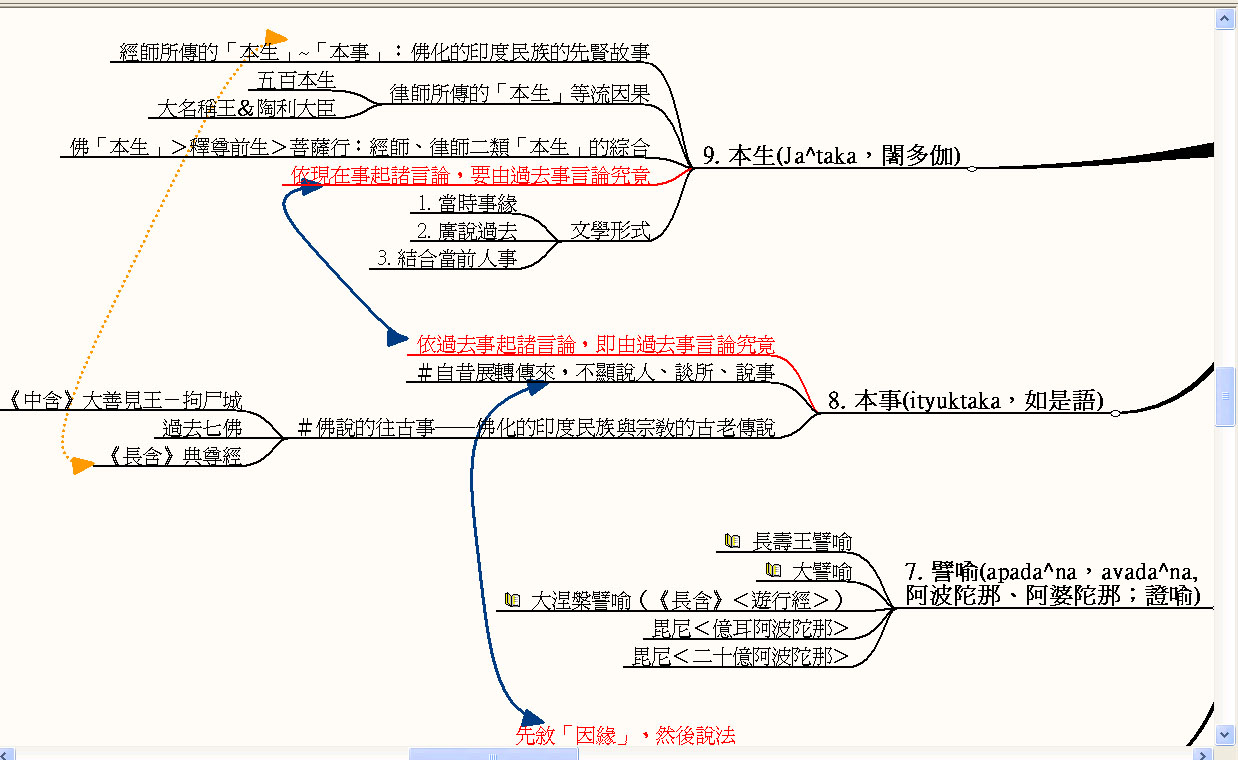
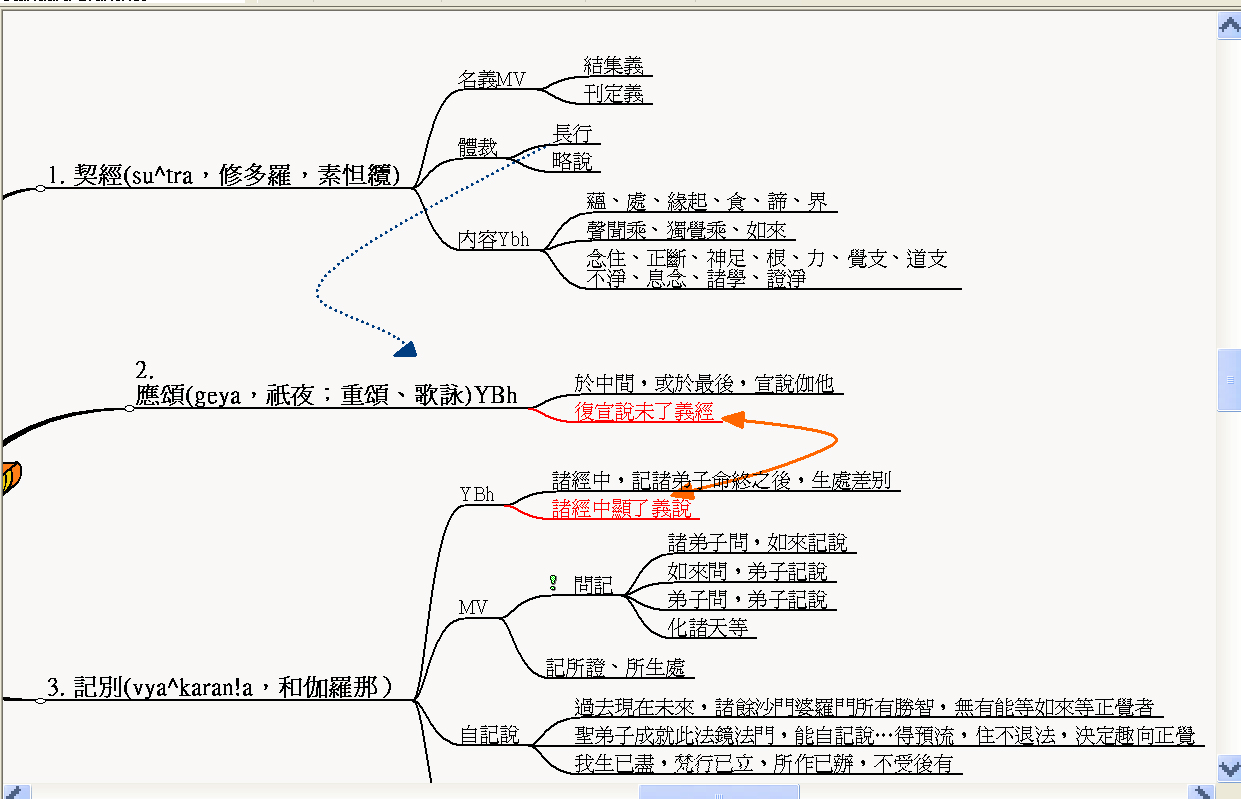
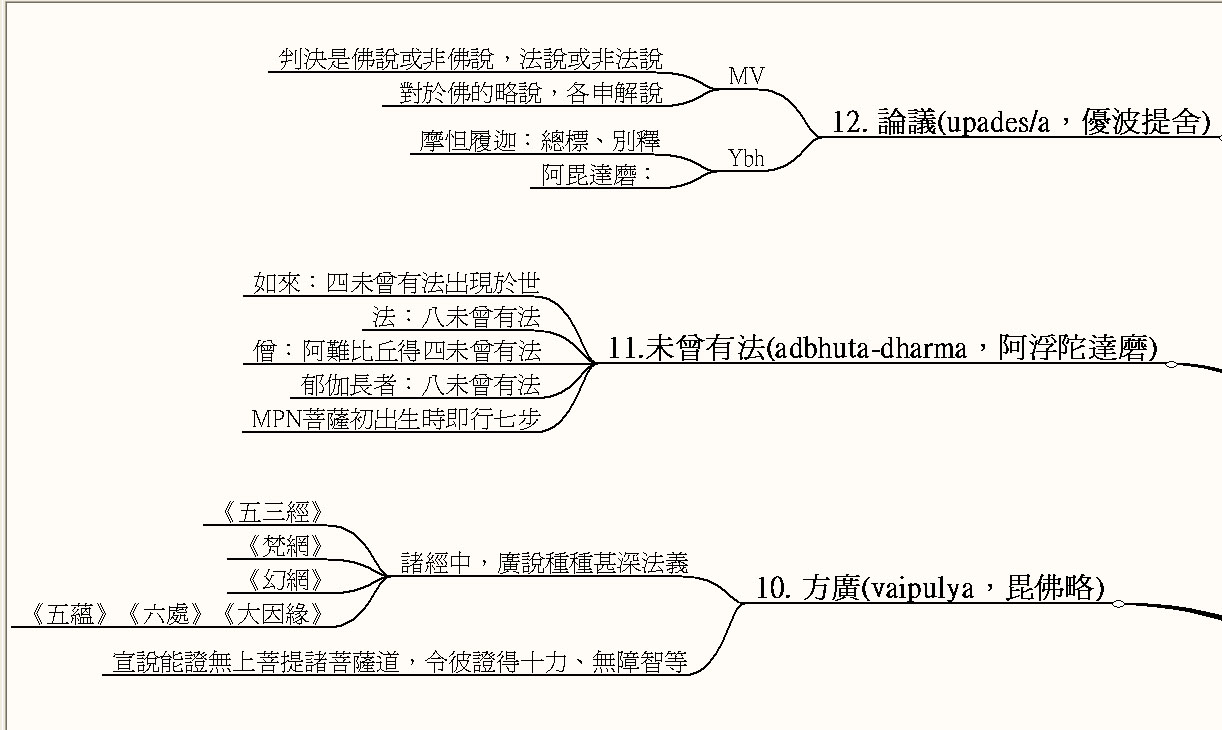
佛教12分教圖

22-12e58886-10-1222-12e58886-67822-12e58886-98722-12e58886e695991-322-12e58886e695993-5

大悲咒修學